

When is it time for home care?
Usually, there is no single dramatic moment. There are small changes, repeated worries, and a family quietly doing more each week. Home care may be worth discussing when daily life is becoming unsafe, exhausting, inconsistent, or too dependent on one overwhelmed person.
One missed meal may be a bad day. A growing pattern deserves attention.
Families often wait because each concern seems explainable by itself. The clearer signal is what happens when several changes begin overlapping—or when the current plan only works because one person is constantly compensating.
Home care does not have to mean surrendering independence. Done well, it can protect the routines, choices, relationships, and home a person values.
- Notice frequency, severity, and whether the situation is worsening
- Ask what would happen if the usual family helper were unavailable
- Separate medical concerns from everyday support needs
- Begin before a preventable crisis forces every decision at once

Look at the whole day—not just the clean living room.
A short visit can hide how hard daily life has become. Ask specific questions and notice changes over time.
Movement feels less steady
Falls, near-falls, furniture walking, difficulty rising, unsafe stairs, fear of bathing, or avoiding rooms because they are hard to reach.
Hygiene routines are changing
Repeated clothing, body odor, unwashed hair, missed bathing, difficulty dressing, toileting accidents, or embarrassment about asking family for help.
Food is becoming inconsistent
Weight loss, spoiled food, empty cupboards, skipped meals, little variety, dehydration concerns, burned cookware, or inability to stand and prepare food.
Confusion is affecting safety
Repeated questions, getting lost, wandering, missed appointments, unsafe appliances, suspiciousness, nighttime confusion, or difficulty following familiar routines.
The established schedule is breaking down
Missed or duplicated doses, unopened refills, confusion about timing, or family members no longer confident that reminders are enough.
The household is harder to manage
Laundry piling up, dishes left for days, odors, blocked pathways, unpaid bills, neglected pets, or basic repairs and supplies going unnoticed.
Getting out is less safe
New dents, traffic confusion, missed turns, avoiding night driving, difficulty entering a vehicle, or missed medical and grocery trips.
The person is withdrawing
Less conversation, stopped activities, loneliness, sleeping much of the day, anxiety about being alone, or loss of confidence after a fall or illness.
The plan depends on exhaustion
Lost sleep, missed work, resentment, health decline, constant checking, sibling conflict, or one caregiver saying, “I cannot keep doing this alone.”
Know which concern requires which call.
Call 911 for an immediate emergency
- Signs of stroke, chest pain, severe breathing difficulty, or loss of consciousness
- A serious fall, uncontrolled bleeding, or suspected major injury
- A missing vulnerable adult or immediate danger
- Fire, gas leak, violence, or another urgent threat
Contact a licensed healthcare professional
- Sudden or significant confusion, weakness, pain, or behavior change
- Medication questions, side effects, or clinical monitoring needs
- Wounds, infections, therapy, oxygen, or skilled nursing concerns
- Questions about diagnosis, capacity, treatment, or medical equipment
SILK provides non-medical in-home care. We can support everyday life and communicate observed concerns through the agreed plan, but we do not diagnose, prescribe, or replace physicians, nurses, therapists, or emergency services.
Lead with respect, specific observations, and the person’s goals.
“You cannot live alone anymore” invites a fight. A better conversation begins with what the person wants to protect and one problem that could be made easier.
- Choose a calm time instead of arguing during a crisis
- Use concrete examples rather than labels or accusations
- Offer a trial or focused starting point when appropriate
- Preserve choices about schedule, routines, and personal preferences
- Include the person in decisions to the greatest extent possible
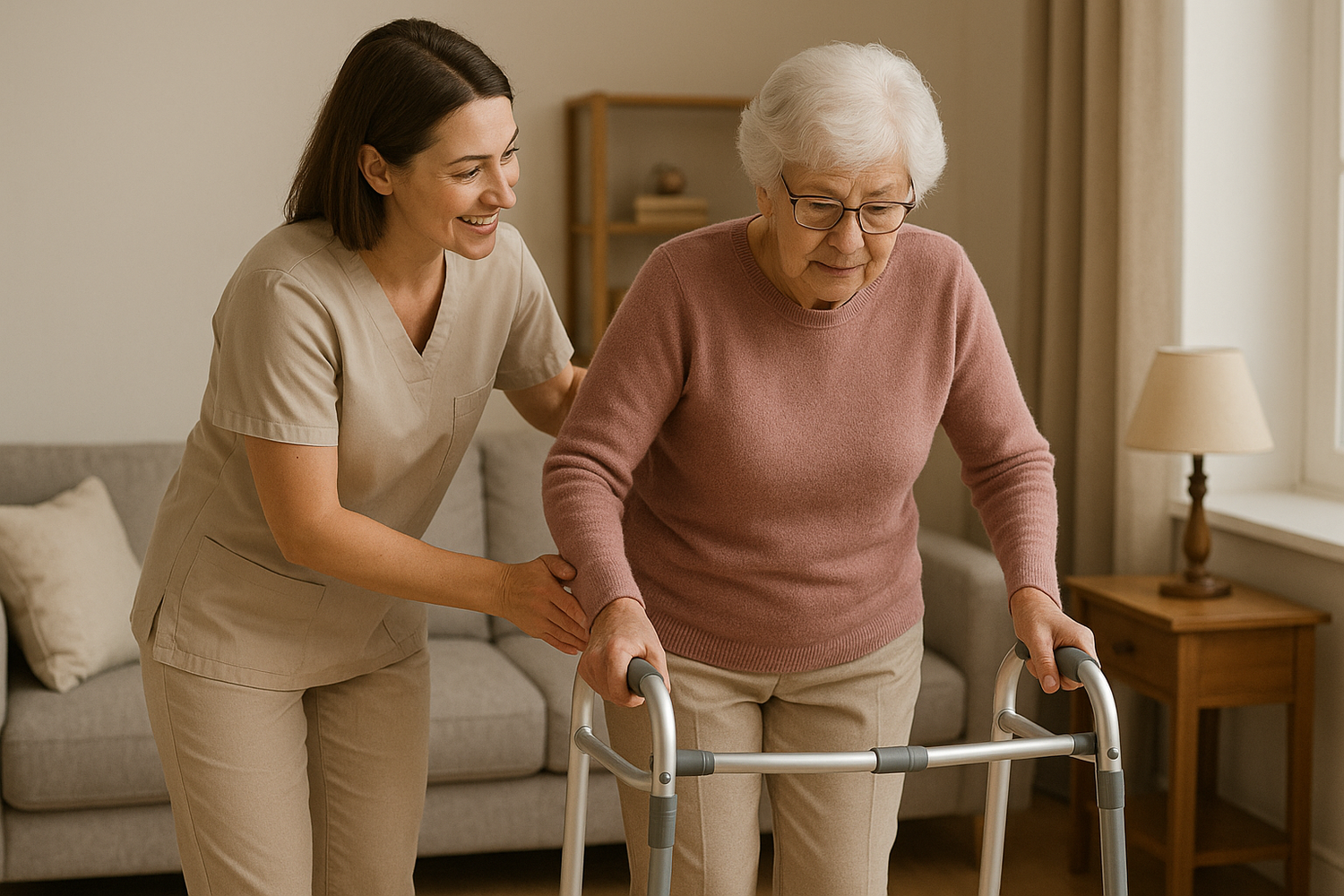
You do not need to design the entire care plan before calling.
Write down what changed
List the concerns, when they happen, who currently helps, recent medical events, and what feels most urgent or unsustainable.
Identify the hardest hours
Morning personal care, meals, appointments, evenings, overnight, or weekends often reveal where support would matter most.
Talk through the options
SILK can discuss non-medical fit, location, schedule, private pay, Medicaid/PASSPORT authorization, and realistic availability.
Continue with the page closest to what your family is seeing.
Personal Care
Help with bathing, dressing, grooming, toileting, and other daily routines.
Explore personal care →Dementia Care
Calm non-medical support for memory changes, confusion, wandering, and routines.
Explore dementia support →Home Safety Assessments
A practical review of falls, bathrooms, pathways, lighting, mobility, and household risks.
Explore home safety →Respite Care
Dependable relief when the family caregiver needs time to work, rest, or recover.
Explore respite →Post-Surgery Support
Practical non-medical help after hospitalization, rehabilitation, illness, or surgery.
Explore recovery support →Private-Pay Home Care
Flexible care planning without waiting for a public program authorization.
Explore private pay →Overnight Care
Nighttime reassurance and assistance when being alone overnight is no longer workable.
Explore overnight care →24-Hour Home Care
Extended scheduling options when needs require more consistent support.
Explore extended care →Senior Care Guide
Plain-English guidance for Southern Ohio families comparing care and planning ahead.
Visit the guide →Questions families ask before starting home care.
How do I know whether a parent needs home care?
Look for repeated or worsening difficulty with personal care, meals, mobility, medications, household routines, transportation, memory, isolation, or safety. Also consider whether the current plan only works because one family caregiver is constantly compensating.
Should we wait until my parent agrees they need help?
Respect and participation matter, but families should not ignore immediate danger. For non-emergency concerns, begin with specific observations and the person’s goals. A focused trial of help may feel less threatening than a sweeping conversation about lost independence.
Can someone need home care even if the house looks clean?
Yes. A brief visit may not reveal missed bathing, food problems, nighttime confusion, medication mistakes, falls, loneliness, or the amount of invisible work a family caregiver is doing.
How many hours of home care should we start with?
There is no universal answer. Start by identifying the highest-risk or most exhausting times of day. The responsible schedule depends on needs, location, payment source, authorization when applicable, home conditions, caregiver availability, and family support.
Is home care only for people who live alone?
No. Home care can support someone living alone, with a spouse, or with extended family. It may protect an older spouse from tasks they can no longer safely perform or give a family caregiver reliable relief.
Does needing home care mean someone must leave their home?
No. Home care is specifically intended to provide support where the person lives. Whether remaining at home is appropriate depends on the whole situation, including medical needs, cognition, safety, available care, finances, and the person’s wishes.
What if the concern is medical?
Contact the person’s physician or other appropriate licensed professional. Call 911 for an emergency. SILK provides non-medical care and does not diagnose symptoms, change medications, provide skilled nursing, or replace therapy.
How do we begin with SILK?
Call 740-245-1051 or use the contact page. Tell Susan or Ehren what changed, where care is needed, who currently helps, which hours are hardest, the expected payment source, and any timing concerns.
You are allowed to ask for help while the situation is still manageable.
Tell Susan or Ehren what you are noticing. You will receive a clear, no-pressure conversation about SILK’s non-medical role and the next responsible step.
Founded and 100% owned by Susan Lowers, BSW · Locally operated in Southern Ohio