

Daily support for the life that happens between medical appointments.
When COPD, heart disease, diabetes, arthritis, Parkinson’s disease, or another long-term condition makes everyday routines harder, SILK provides dependable non-medical help at home—built around dignity, energy, safety, and the person’s established care plan.
The diagnosis is only part of the story.
Families often know the medical plan. The harder question is how to make daily life work when strength, breathing, balance, pain, memory, or stamina changes from one day to the next.
SILK caregivers support the non-medical routines that help a person remain at home: getting dressed, preparing meals, moving safely, keeping the household manageable, following established reminders, attending appointments, and having someone dependable nearby.
- Help with bathing, grooming, dressing, toileting, and other personal routines
- Meal preparation, hydration support, errands, laundry, and light housekeeping
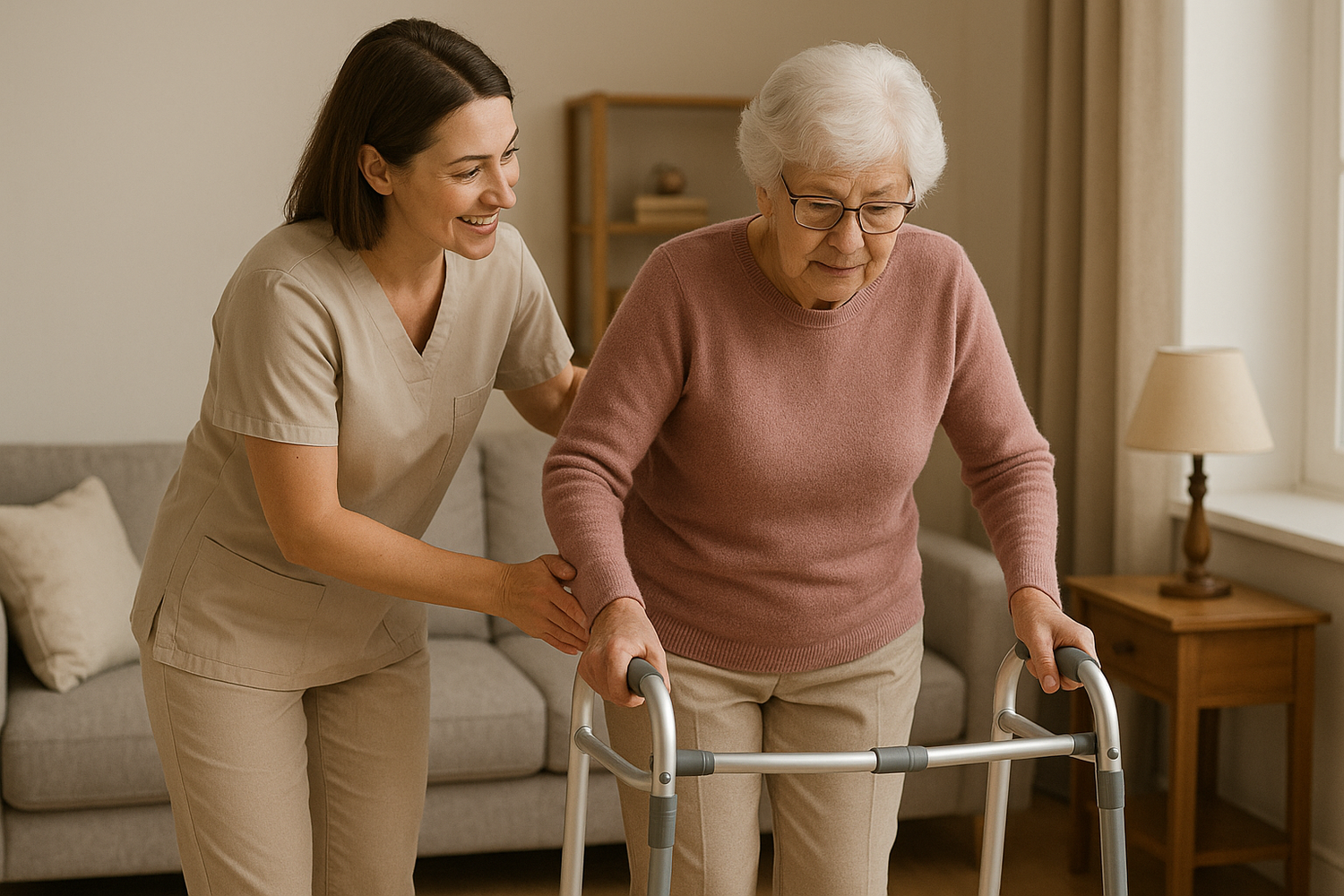
- Mobility assistance and a steady presence during higher-risk parts of the day
- Medication reminders exactly as directed—without administering or changing medications
- Observation and communication when something seems different

Support shaped around the person—not a label.
These examples describe non-medical daily support. SILK does not diagnose or provide skilled treatment, and every care plan depends on the person’s actual needs and professional instructions.
Preserving energy for what matters
Help with personal routines, simple meals, household tasks, pacing, transportation, and reducing unnecessary exertion while following the person’s established plan.
A steadier daily rhythm
Support with meals, errands, personal care, reminders, rest-friendly routines, and communicating observed changes to the appropriate family contact.
Consistency around daily needs
Meal preparation consistent with family or clinical direction, reminders, transportation, foot-care awareness without clinical treatment, and help maintaining routines.
Help without taking over
Assistance with dressing, bathing, meal preparation, laundry, reaching everyday items, and moving through tasks that have become painful or exhausting.
Patience, time, and safer routines
Unhurried support with dressing, meals, mobility, transfers within the care plan, transportation, and daily activities that may require more time.
One life, not separate care silos
Many people manage several diagnoses at once. SILK organizes non-medical support around the whole routine, family priorities, energy level, and changing needs.
Practical help that protects dignity and momentum.
Care may begin with a few essential hours or expand when needs and availability align.
Personal care
Respectful assistance with bathing, grooming, dressing, toileting, incontinence care, and other activities of daily living.
Meals & household support
Simple meal preparation, hydration prompts, dishes, linens, laundry, light housekeeping, and help keeping essential spaces manageable.
Mobility & daily pacing
A steady second set of hands and eyes for movement, transfers, and daily routines—within the care plan and caregiver’s permitted role.
Reminders & transportation
Medication and appointment reminders, errands, and transportation when arranged and available. Caregivers do not prescribe or change treatment.
Companionship & reassurance
Conversation, familiar activities, encouragement, and a dependable presence that helps reduce isolation and makes difficult days feel more manageable.
Family relief & communication
Scheduled care that gives family caregivers room to work or rest, plus responsible communication through the agreed care process.
SILK supports the care plan. We do not replace the clinical team.
What SILK caregivers may do
- Assist with daily living and household routines
- Prepare meals according to directions supplied by the client, family, or qualified professional
- Provide medication reminders without administering, organizing, or altering medications outside the permitted care arrangement
- Observe and report changes through the established communication plan
- Support transportation, companionship, respite, and safety-focused routines
What requires licensed clinical care
- Diagnosing symptoms or changing a treatment plan
- Skilled nursing, wound care, injections, or clinical monitoring
- Managing oxygen settings or medical equipment beyond permitted non-medical assistance
- Prescribing, selecting, or changing medications or diets
- Physical, occupational, respiratory, or speech therapy
Begin with the hardest part of the day.
You do not need to solve every future need before asking for help. Start with what is becoming unsafe, exhausting, or unsustainable now.
Tell us what changed
Share the condition, daily routine, recent concerns, location, current help, and the times that feel most difficult.
Clarify the fit
We discuss non-medical needs, schedule, payment source, authorization, home setting, and caregiver considerations.
Build responsibly
If SILK is a fit, care moves toward assessment, planning, matching, and a realistic start based on confirmed availability.
Connect the daily need to the right kind of help.
Personal Care
Bathing, grooming, dressing, toileting, and dignified help with daily routines.
Explore personal care →Mobility Assistance
Non-medical support for movement, daily activity, and safer routines at home.
Explore mobility support →Meal Preparation
Simple meals and kitchen support aligned with directions provided for the client.
Explore meal support →Medication Reminders
Dependable reminders that support an established medication schedule.
Explore reminders →Overnight Care
Reassurance and non-medical support during nighttime hours when available.
Explore overnight care →24-Hour Home Care
Extended scheduling for people whose needs require more consistent support.
Explore 24-hour care →Home Safety Assessments
A practical review of falls, pathways, bathrooms, mobility, and household risks.
Explore home safety →Post-Surgery Support
Short-term non-medical help after surgery, hospitalization, or rehabilitation.
Explore recovery support →Senior Care Guide
Clear guidance for Southern Ohio families comparing care and planning next steps.
Visit the guide →Answers for families managing long-term conditions.
What is chronic condition support at home?
It is non-medical help with daily routines affected by a long-term health condition. Depending on the care plan, support may include personal care, meals, mobility assistance, homemaking, reminders, transportation, companionship, respite, and family communication.
Is SILK a skilled home health agency?
No. SILK provides non-medical in-home care. Caregivers do not replace nurses, physicians, therapists, or other licensed professionals. SILK can complement clinical services by helping with everyday routines between appointments.
Can caregivers manage medications or oxygen?
SILK may provide medication reminders as permitted by the care arrangement, but caregivers do not prescribe, select, or change medications. They do not change oxygen settings or provide respiratory treatment. Questions about medications, oxygen, symptoms, or treatment belong with the person’s licensed healthcare team.
Can SILK follow a special diet?
Caregivers may prepare meals according to directions supplied by the client, family, or an appropriate healthcare professional. SILK does not prescribe therapeutic diets or make clinical nutrition decisions.
Can care increase when the condition changes?
Potentially. Families should report significant changes to the appropriate healthcare professional and to SILK. Non-medical hours or tasks may be reconsidered based on needs, location, schedule, authorization when applicable, caregiver availability, and caregiver fit.
Does SILK provide overnight or 24-hour support?
SILK may provide overnight, extended, or 24-hour scheduling when the person’s needs, location, requested arrangement, staffing, and caregiver availability align. Call to discuss the actual situation; SILK does not promise a schedule until those factors are confirmed.
How do we start?
Call 740-245-1051 or use the contact page. Tell Susan or Ehren what condition your loved one is living with, which daily routines are difficult, where care is needed, the preferred schedule, and the expected payment source. You will receive a clear, no-pressure discussion of possible next steps.
Let the medical team treat the condition. Let SILK help make daily life work.
Tell Susan or Ehren which parts of the day have become hardest. We will help you understand whether SILK’s non-medical support fits the situation.
Founded and 100% owned by Susan Lowers, BSW · Locally operated in Southern Ohio