
Non-medical home safety support
Senior Home Safety Assessments in Southern Ohio
A practical, room-by-room and routine-by-routine review for families who have noticed a fall, near-fall, new weakness, memory change, difficult return home, or growing uncertainty about what daily life now requires.

It is also: What changed, when does the person struggle, who is present, and what kind of support would make the routine more workable?
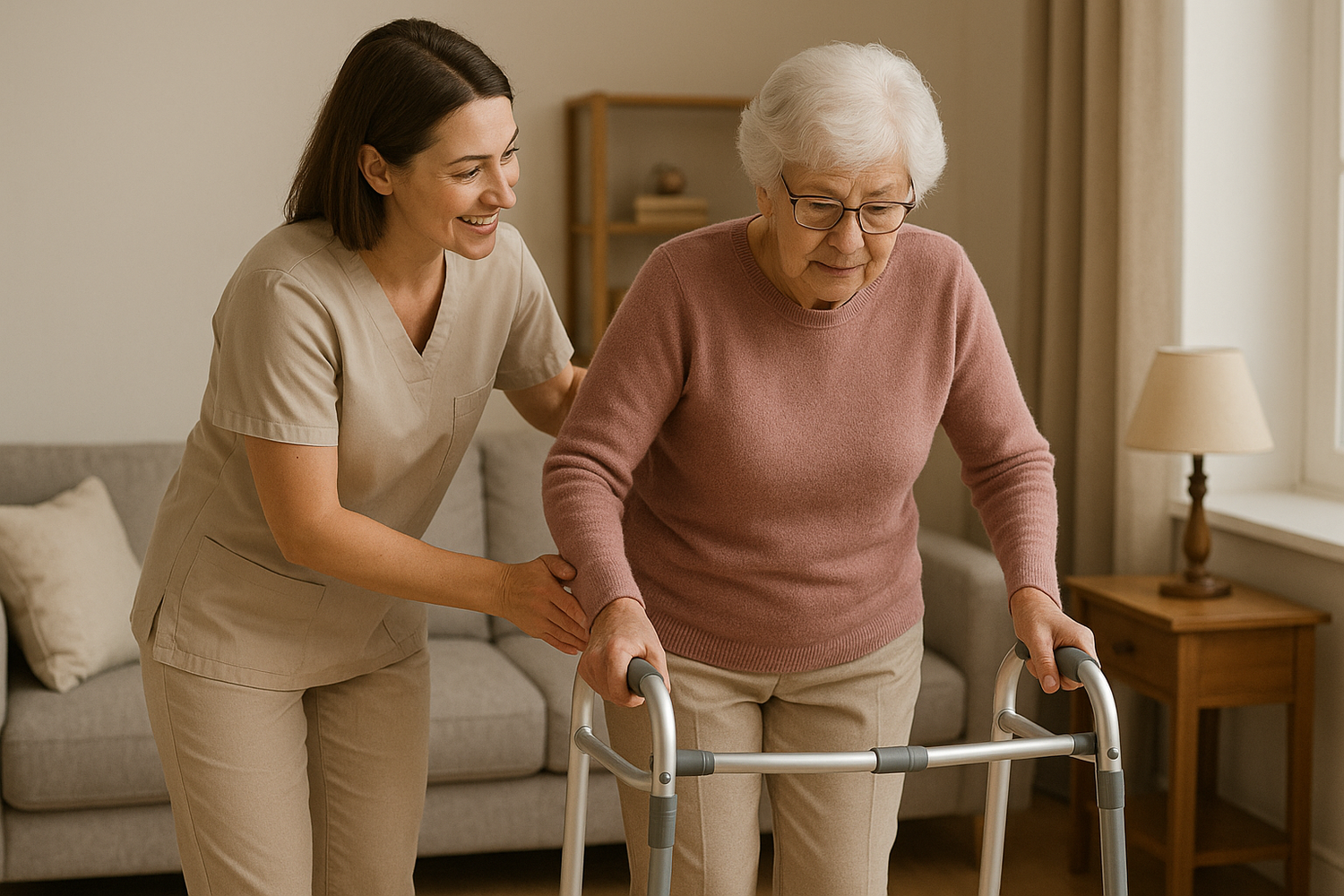
Start with what changed
A home safety assessment should begin with the person—not a generic checklist.
A loose rug matters. So do fatigue, urgency, medications, poor lighting, fear of falling, a walker that does not fit the path, a spouse who can no longer assist safely, or confusion that is worse after dark.
SILK uses the term home safety assessment for a practical non-medical review. It is not a building inspection, safety certification, medical diagnosis, occupational-therapy evaluation, or promise that an injury will not occur.
- 01A fall, near-fall, or new fear of falling.The family wants to understand what happened around the event and what daily situations still feel uncertain.
- 02Walking or transfers have changed.Standing from a chair, getting out of bed, reaching the bathroom, or using stairs now requires more effort or help.
- 03Memory affects judgment or routine.Doors, appliances, water, medications, meals, nighttime activity, or getting lost inside a familiar sequence are concerns.
- 04The person is returning home.Surgery, hospitalization, illness, or rehabilitation exposed a gap between discharge instructions and the reality of the house.
- 05The family is unsure whether the current plan is enough.Relatives may need a clearer view of the schedule, tasks, supervision, and professional input still required.
What a home assessment for seniors may review
The person, the environment, and the daily routine interact.
The exact review depends on the home, current concerns, care plan, schedule, family involvement, and what SILK can evaluate responsibly within non-medical scope.
Movement through real spaces
Walking surfaces, furniture height, transfers, stairs, footwear, assistive devices, pets, reach, thresholds, and the routes used most often.
A practical observation is not a clinical gait or balance assessment.Bathroom and personal-care routines
Reaching the bathroom, toilet and bathing-area access, wet floors, water temperature, supplies, privacy, usable supports, and whether standby or hands-on help is needed.
Load-bearing equipment should be selected and installed by qualified professionals.Lighting, vision, and nighttime routes
Glare, shadows, bulb coverage, switch access, visible step edges, the route from bed to bathroom, and how changing vision affects navigation.
Vision concerns belong with the appropriate eye-care or medical professional.Pathways, entrances, and seasonal conditions
Rugs, cords, clutter, narrow paths, outdoor steps, porches, driveways, rails, packages, weather, and emergency entry or exit.
Structural repairs and code questions require appropriately qualified professionals.Memory, appliances, and household hazards
Doors, keys, cooking, water, cleaning products, firearms, spoiled food, nighttime exit-seeking, emergency contacts, and the family response plan.
SILK does not diagnose dementia or guarantee prevention of wandering.Who helps—and when
Personal care, meals, reminders, homemaking, supervision, transportation, overnight needs, family coverage, and what happens when the usual helper is unavailable.
A useful review should lead to a realistic support plan.Practical room-by-room review
Follow the day through the home.
The best questions are specific: Can he rise from the chair he actually uses? Can she reach the bathroom at 2 a.m.? What happens when the porch is wet or the power goes out?
Entries, halls, and stairs
- Stable rails, visible step edges, and secure thresholds
- Clear paths wide enough for the person and mobility device
- Reachable lighting at doors, halls, stairs, and bathroom routes
- Weather, packages, pets, cords, and changing obstacles
Living room
- Firm seating at a workable height with room to stand
- Rugs, low tables, footstools, cords, and common walking routes
- Frequently used items within a comfortable reach
- Heaters, oxygen, smoking materials, and household routines
Bedroom
- Bed height and room for transfers or caregiver assistance
- A clear nighttime path with reachable lighting
- Phone or alert device accessible from the bed
- Daily clothing and supplies arranged to limit climbing or bending
Bathroom
- Toilet and bathing access reviewed with dignity and privacy
- Nonslip surfaces and professionally secured supports
- Dry floors, reachable supplies, and appropriate water temperature
- Whether cueing, standby, or hands-on personal care is needed
Kitchen and dining
- Appliance routines and a plan for memory-related concerns
- Food condition, hydration, and ability to prepare regular meals
- Heavy and frequently used items at accessible heights
- Clear floors and stable seating for meals
Outside and emergency readiness
- Driveway, porch, steps, railings, and seasonal conditions
- Smoke and carbon-monoxide alarm questions for the family
- Visible emergency contacts and a communication plan
- How responders would enter and find essential information
Safety is visible in ordinary moments
Watch the routine—not only the room.
A hallway may look clear while standing still. The useful question is what happens when the person is tired, carrying something, rushing to the bathroom, using a walker, or trying to remember the next step.


A boundary that protects the family
Observation should lead to the right kind of help.
SILK can discuss practical household and care concerns. A licensed professional should evaluate clinical changes, prescribe treatment, select clinical equipment, or recommend a new transfer technique.
Compare Home Care and Home Health →Clear professional boundaries
A SILK review is not a clinical home safety evaluation.
Both can be valuable. Families should know which questions belong to a non-medical home-care agency and which require an occupational therapist, physical therapist, nurse, physician, contractor, or emergency professional.
Practical observation and home-care planning.
- Listen to concerns, recent changes, routines, and family coverage
- Walk through common rooms, routes, and non-medical daily tasks
- Identify household and routine-related concerns to discuss
- Consider personal care, meals, homemaking, reminders, companionship, and supervision
- Define what caregivers may observe and report through the care process
- Discuss schedule, location, payment path, availability, and realistic next steps
Clinical assessment, treatment, and structural work.
- Occupational therapy functional and environmental evaluation
- Physical therapy evaluation of strength, gait, balance, and rehabilitation needs
- Medical assessment of symptoms, diagnoses, medications, dizziness, vision, or sudden decline
- Selection or prescription of clinical equipment and new transfer techniques
- Structural evaluation, code questions, repairs, ramps, and load-bearing installations
- Emergency evaluation and treatment when danger or acute symptoms are present
When a home safety review becomes especially useful
The same house can require a different plan after one change.
A senior home safety assessment is most useful when it connects the concern to the right care, clinical, family, or household response.
Memory changes or wandering concerns
Confusion, exit-seeking, nighttime activity, unsafe appliance use, or difficulty following routines requires a specific family response plan, appropriate clinical input, and honest discussion of supervision.
Explore dementia support →Returning home after surgery or hospitalization
The home may expose barriers involving stairs, bathroom access, transfers, meals, supplies, fatigue, nighttime needs, and whether family can provide the help assumed by the discharge plan.
Explore post-hospital support →A family caregiver is carrying too much
The house may not be the only problem. A spouse or adult child may be covering bathing, transfers, meals, supervision, and nights without enough rest or backup.
Explore respite care →Nighttime is the difficult part
Bathroom trips, confusion, poor lighting, repositioning needs, disrupted sleep, or a family caregiver’s exhaustion may require a separate overnight plan.
Explore overnight care →Hands-on routines are becoming unsafe
Bathing, dressing, toileting, getting out of bed, and moving through the home may require respectful non-medical personal care.
Explore personal care →Family lives too far away to see the pattern
A phone call may not reveal spoiled food, missed routines, new clutter, bruising, mobility changes, or how much an older adult is struggling to manage alone.
Read the long-distance caregiving guide →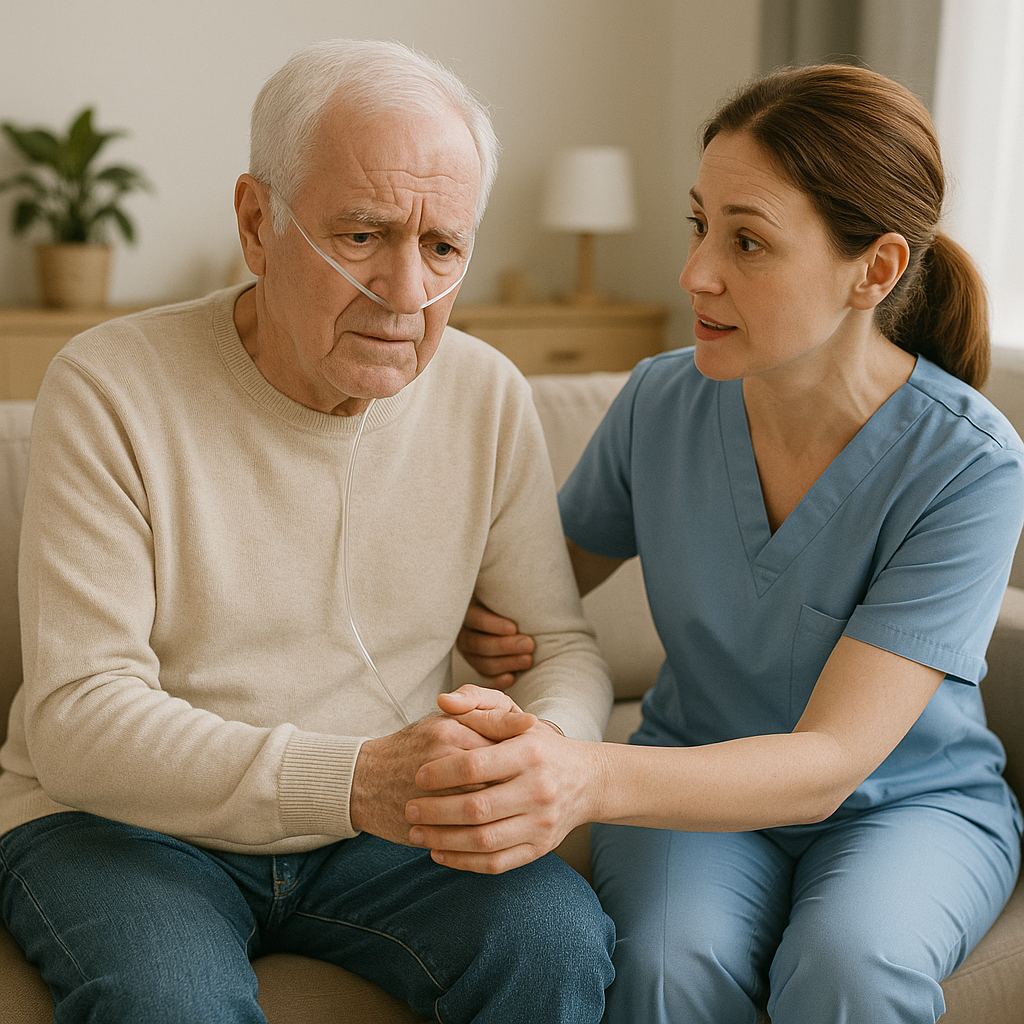
What happens after you contact SILK?
From concern to a responsible next step.
The first conversation should clarify why the family is calling, where the home is located, what has changed, what kind of evaluation may actually be needed, and whether SILK’s non-medical role fits.
Cost, payment, and trusted checklists
Ask what kind of home safety evaluation you are actually purchasing.
A non-medical home-care walkthrough, an occupational-therapy evaluation, a contractor’s structural assessment, and a comprehensive aging-in-place consultation are different services. Fees, credentials, deliverables, and insurance or program coverage may differ.
SILK does not publish a universal home safety assessment price because the request may involve a phone conversation, an in-home review, travel, or a broader home-care plan. Call to confirm whether a fee applies, the current rate, what is included, and whether any program authorization is relevant.
Private-pay questions
Confirm the current fee, travel, visit length, written or verbal deliverable, cancellation terms, and whether the review is separate from ongoing home care.
Medicaid/PASSPORT questions
Do not assume a standalone home safety assessment is covered. The administering agency and case manager determine eligibility, authorized services, and hours; SILK confirms what it can accept and staff.
Clinical or structural questions
Ask the relevant insurer, plan, licensed provider, or contractor about referral requirements, coverage, credentials, recommendations, equipment, and installation.
Senior home safety assessments near you
SILK evaluates requests in five core Southern Ohio counties.
Home safety support and any related care depend on the exact address, reason for the request, appropriate scope, timing, travel, payment or authorization path, caregiver availability, and whether SILK can meet the need responsibly.
Chillicothe, Bainbridge, Frankfort, Kingston, and surrounding areas.
Jackson, Wellston, Oak Hill, Coalton, and rural communities.
Gallipolis, Vinton, Rio Grande, Cheshire, Bidwell, and rural homes.
Waverly, Piketon, Beaver, Jasper, and surrounding communities.
McArthur, Hamden, Zaleski, Wilkesville, and rural addresses.
Home safety assessment FAQ
Answers before the call.
These answers are general. The right next step depends on the person, home, recent changes, urgency, requested deliverable, location, payment source, professional scope, and SILK’s availability.
What is a non-medical senior home safety assessment?
It is a practical review of the home, daily routines, family concerns, and non-medical support needs that may affect safety and independence. SILK can discuss concerns, walk through common rooms and routines, identify household issues to consider, and help the family define next steps. It is not a medical diagnosis, building inspection, safety certification, or clinical occupational-therapy evaluation.
Is this the same as an occupational-therapy home safety evaluation?
No. An occupational therapist can perform a clinical functional and environmental evaluation and recommend adaptive equipment, techniques, or modifications based on the person’s medical and functional needs. SILK provides non-medical observation and home-care planning and will encourage appropriate licensed input when the concern exceeds that scope.
What does a home safety assessment for seniors include?
The discussion may include entries, stairs, pathways, lighting, bathroom access, bed and chair routines, mobility equipment, kitchen tasks, meals, medications as a household routine, memory concerns, emergency contacts, family coverage, personal care, nighttime needs, and the help already available. The exact review depends on the home, concern, requested service, and professional scope.
Can SILK prevent falls?
No provider can guarantee that a fall will not happen. SILK can identify common household and routine-related concerns, provide appropriate non-medical assistance or supervision when a care plan is accepted, and encourage the family to involve physicians, nurses, pharmacists, physical therapists, occupational therapists, or other qualified professionals when clinical issues need evaluation.
Does SILK install grab bars, ramps, or other home modifications?
No. SILK may point out an area the family should consider, but structural changes and load-bearing equipment should be evaluated and installed by appropriately qualified professionals. An occupational therapist may also recommend equipment or modifications based on a clinical assessment.
Can a home safety review help after a hospital discharge or surgery?
Yes. A practical review can reveal barriers involving stairs, bathroom access, bed and chair routines, meals, laundry, mobility, nighttime needs, and the amount of help available. SILK’s role is non-medical and complements rather than replaces the discharge plan, skilled home health, nursing, therapy, or medical follow-up.
What if my parent has dementia or wanders?
SILK can discuss non-medical supervision, routines, environmental concerns, family communication, and caregiver support. Families should also involve the person’s healthcare team and create a specific response plan. Call 911 promptly if a vulnerable person is missing or in immediate danger. SILK cannot guarantee prevention of wandering or another emergency.
Will SILK decide whether our loved one can live alone?
No. SILK can share practical observations within the scope of non-medical care but does not make a medical, legal, or capacity determination. The decision may require input from the person, family, physician, occupational therapist, other clinicians, and appropriate legal professionals.
How much does a home safety assessment cost?
Cost depends on what the family is requesting, whether travel or an in-home visit is involved, the expected deliverable, and whether the review is separate from or connected to a broader care plan. Call SILK to confirm whether a fee applies, the current rate, what is included, and whether any program authorization is relevant. SILK does not quote a universal home safety assessment price online.
Does SILK provide senior home safety assessments near me?
SILK evaluates home safety review requests in Ross, Jackson, Gallia, Pike, and Vinton Counties in Southern Ohio. Availability depends on the exact address, reason for the request, appropriate scope, timing, travel, payment or authorization path, and whether SILK can meet the need responsibly.
How do we schedule a home safety conversation?
Call SILK at 740-245-1051 or use the contact page. Tell Susan or Ehren what changed, where the home is located, what concerns you, whether there has been a fall or hospital stay, what kind of review you expect, the schedule you may need, and the likely payment source. Immediate danger or acute symptoms require 911 or prompt medical attention.
Continue from here